

[ad_1]
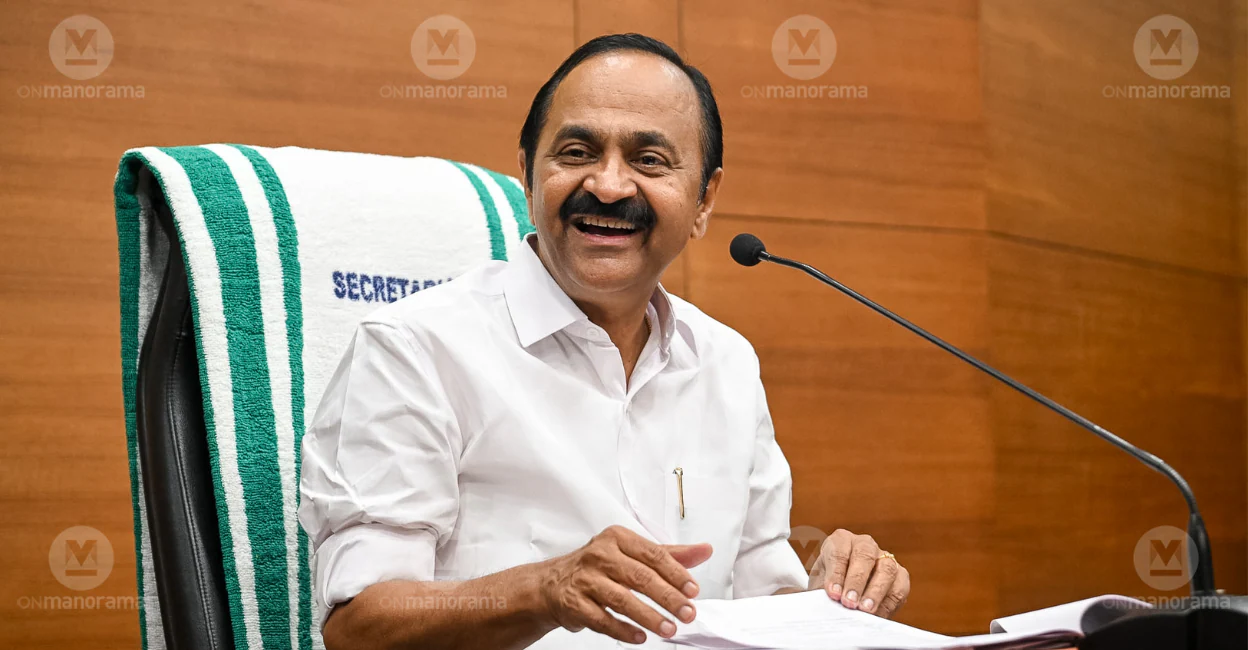
The newly sworn-in UDF government will present the revised Budget for the 2026-27 financial year in the Kerala Assembly on June 19. Chief Minister V D Satheesan, who also holds the Finance portfolio, will present the Budget, widely expected to translate the government’s key promises and policy priorities into actionable programmes.
The Assembly will hold a general discussion on the revised Budget from June 22 to 24, followed by discussions and voting on Demands for Grants on June 29 and 30. The Appropriation Bill is scheduled to be taken up on July 1.
Ahead of the Budget presentation, the government will table a White Paper on Kerala’s financial condition on June 4. The document is being prepared by a special committee headed by former Cabinet Secretary Dr K M Chandrasekhar and is expected to outline the state’s fiscal challenges and priorities.
The Budget is likely to flesh out several flagship initiatives announced in Governor Rajendra Vishwanath Arlekar’s policy address, with a strong focus on women, students, youths, senior citizens and farmers.
Among the most closely watched proposals is the government’s promise to provide free travel for women on KSRTC buses, one of the UDF’s key election commitments. The scheme is expected to be rolled out from June 15. The government is also expected to detail its proposed monthly educational assistance of ₹1,000 for girl students pursuing higher education.
Another major initiative is the “Menstrual Dignity” project, which aims to create more inclusive educational institutions and public spaces. The programme proposes up to three days of menstrual leave each month for school students, along with weekend classes to help them keep up with academic requirements.
Addressing the challenges posed by Kerala’s ageing population is another area expected to receive significant attention. The government has already announced a dedicated ministry for senior citizens, with Satheesan indicating that Kerala would draw lessons from Japan’s elderly care and social support models as it formulates its policies.
Agriculture and human-wildlife conflict management are also expected to feature prominently in the Budget. With recurring wildlife incursions affecting farming communities in the high ranges, the government is likely to announce measures to safeguard farmers’ livelihoods while addressing long-standing conflicts in vulnerable regions.
[ad_2]
Source link