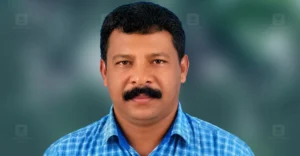


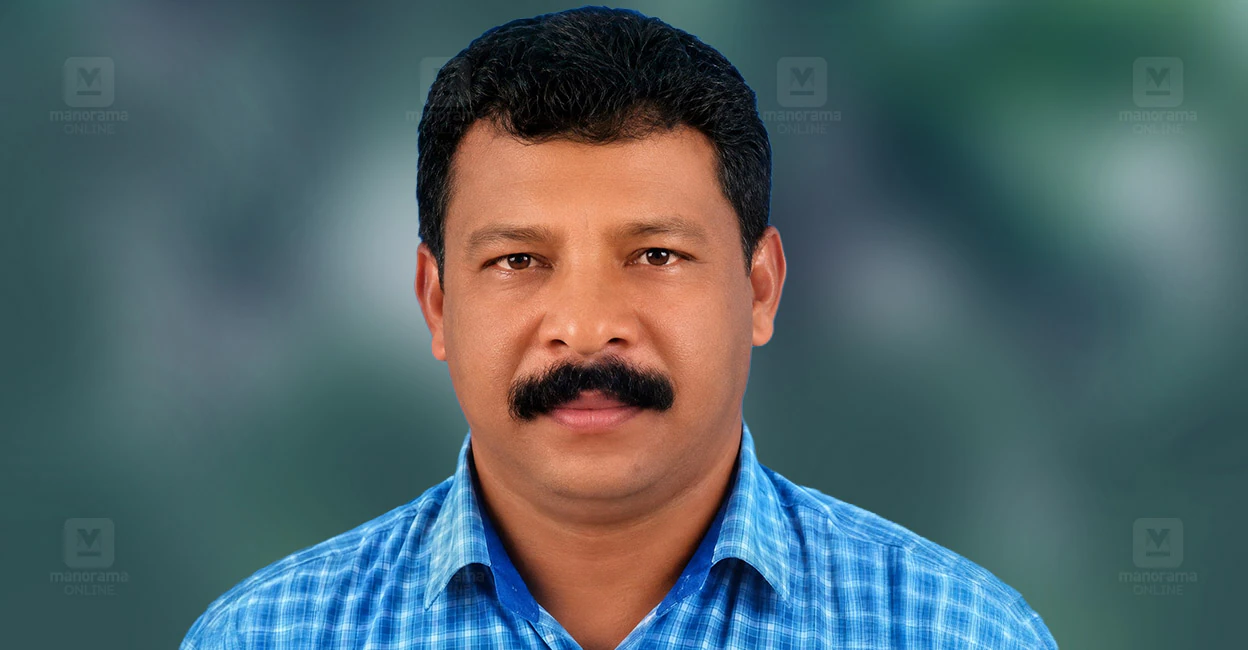
The agonising wait for a grieving family in Kerala continues. Shajahan, a 54-year-old migrant worker from Kollam who spent his final days battling extreme weather on a park bench in Sharjah, passed away alone. Now, bureaucratic red tape has stalled the repatriation of his body, leaving his family in India grieving.
Shajahan, hailing from Ashiq Manzil near the Punalur Paper Mill, was found dead at Al Ittihad Square Park in Sharjah. His quiet demise, which went unnoticed for hours, has sent shockwaves through the expatriate community. Yet, weeks after the tragedy, his body remains in a local mortuary due to identity verification delays, exacerbated by years of estrangement from his family.
According to Labeeb, a legal consultant and community activist assisting with the case, Sharjah Police will only release the body after a successful DNA match. “This requires either his son, who is currently working in Saudi Arabia, or his daughter in Kerala to undergo a DNA test. The official procedures to arrange this are currently underway,” Labeeb explained.
An institutional silence sparking outrage
The tragic circumstances of Shajahan’s death have sparked an intense debate within the expatriate community. Many are questioning the apparent apathy of official bodies, noting that neither the Indian Consulate General in Dubai nor prominent community organisations like the Sharjah Indian Association have stepped in to expedite the process despite the widespread media coverage of the incident.
The tragedy unfolded on 3 December when Shajahan breathed his last at around 17:00. For hours, passersby paid no attention, assuming he was simply asleep on his usual park bench. It was only around 21:00 that a concerned resident noticed he was unresponsive and alerted the police. Emergency services subsequently moved his body to a hospital mortuary.
A life spent in self-imposed isolation
Shajahan’s final years were defined by a profound isolation. Prolonged exposure to the harsh elements of the park had physically altered his appearance, making initial identification difficult. Discrepancies between his passport details and records back home further complicated the situation. Though these document errors have now been resolved, local laws mandate a direct familial DNA match before his remains can be released.
His journey was typical of many Gulf migrants, yet uniquely tragic. Having first arrived in Saudi Arabia 26 years ago, he worked diligently as a driver for a decade before returning home. However, after moving to the UAE seven years ago on a new visa, he chose to sever all ties with his family. He did not return for the weddings of his daughter, Tasnim, or his son, Ashiq.
Like many destitute workers, Shajahan found a makeshift home at Al Ittihad Square Park, close to the Saudi Mosque in Sharjah. He relied on the mosque’s facilities for his daily needs and survived on the charity of kind strangers. Despite suffering from severe diabetes, he consistently refused medical treatment or medication.
A chance encounter and a family’s tears
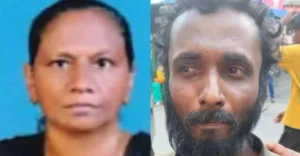
Maya, a social worker from Karunagappally employed at an insurance firm in Sharjah, vividly recalls her encounters with Shajahan. She first met him at a restaurant in Rolla while dining with her family. Sensing his extreme hunger, she bought him food and continued to support him periodically. Eventually, Shajahan trusted her enough to share his wife Shailaja’s phone number.
When Maya reached out to the family, she uncovered a painful reality. His wife and children were struggling to survive, burdened with debts incurred to send Shajahan to the UAE. Despite having a valid UAE driving licence and the opportunity to secure employment to support his family, Shajahan resisted all interventions. He eventually began avoiding Maya to evade further questions, and efforts to get local Malayali associations to intervene proved futile.
The news of his death came to light when a friend of Maya, who lived near the park, mentioned that a Kerala native had died on a bench. Suspecting it might be Shajahan, Maya contacted his family in India, secured a copy of his passport and photograph, and formally confirmed his identity.
‘I just want to see my father’s face one last time’
Back home in Kollam, his daughter Tasnim has been inconsolable since learning of his death. It has been seven years since she last saw her father, and she is now desperately pleading for assistance to bring his body home. The family’s hopes of receiving swift help from the Indian Consulate and local voluntary groups have so far yielded little progress, leaving them in an agonising state of limbo as they seek a final, dignified farewell for a man who chose to live and die in the shadows.