

Even as the United Democratic Front (UDF) is yet to take a final decision on permitting the sale of low-alcohol beverages in Kerala, the state government has included the proposed tax structure for the category in the Kerala Finance Bill 2026.
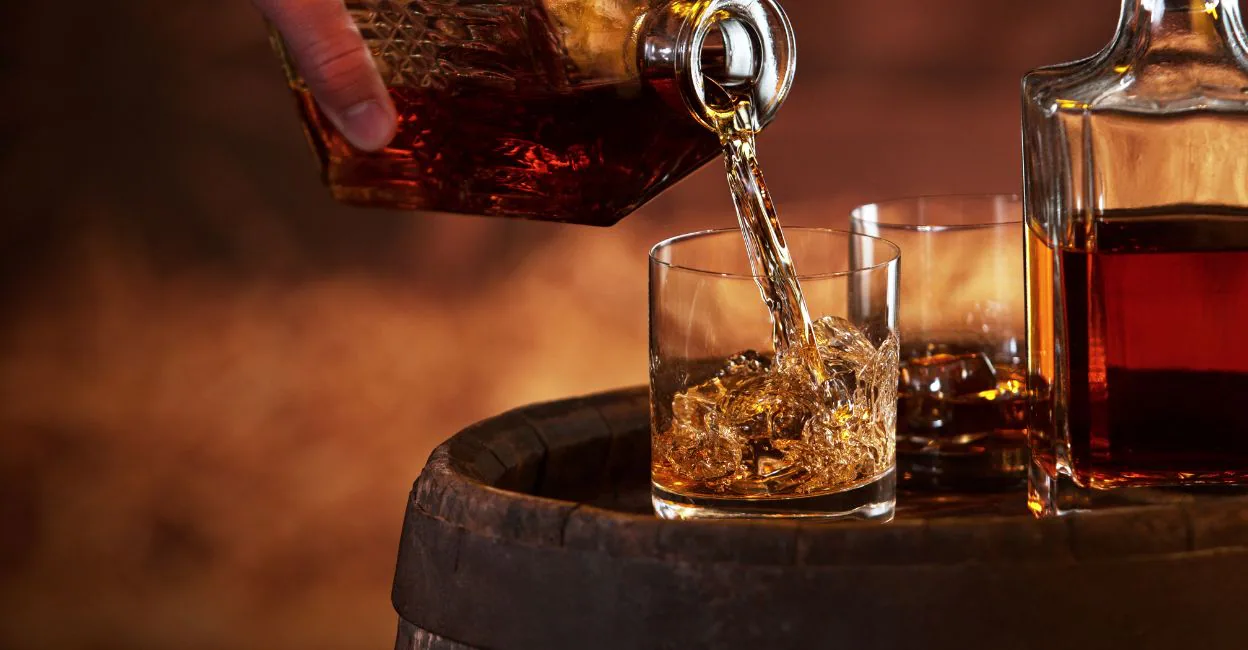
The Finance Bill proposes amendments to the Kerala General Sales Tax Act, 1963, by introducing a separate category for ‘low-alcoholic beverages’. Under the proposal, beverages containing more than 0.5 per cent and up to 10 per cent alcohol by volume (ABV) will attract a 120 per cent sales tax, while products containing more than 10 per cent and up to 20 per cent ABV will be taxed at 175 per cent.
The proposal was first announced in the Revised Budget 2026-27 presented in the Kerala Assembly by Chief Minister V D Satheesan, who also holds the Finance portfolio. Then the Chief Minister clarified that the proposal would be implemented only if it received approval from the UDF coalition. Otherwise, it would be dropped. This had created uncertainty over whether the tax proposal would find a place in the Finance Bill.
With the proposal now included in the Finance Bill, it has taken the first legislative step towards implementation. The Bill, which is scheduled to be tabled in the Assembly on July 1, will give legal backing to the proposed tax changes if it is passed by the House. However, the inclusion of the tax provisions does not mean the sale of low-alcohol beverages has been approved.
Excise Minister M Liju has also previously stated that the Excise Department will reject any application to register low-alcohol beverage brands until the UDF decides whether to allow their sale in the state. Under the Kerala Foreign Liquor (Registration of Brand) Rules, brands of Indian-Made Foreign Liquor (IMFL), wine and beer must be registered with the Excise Department, with registrations renewed annually.
The minister also said the introduction of low-alcohol beverages would depend on the UDF’s forthcoming Abkari Policy, which will be formulated only after extensive consultations with stakeholders, including prohibition groups, restaurant and bar owners, and bar workers. According to Liju, the Budget announcement reflected only the financial aspect of the proposal. “The GST Department and the Finance Department were looking at the revenue aspect of the decision. Implementation is different. This is only a financial decision,” he had said.
The proposal has also reignited political debate, with the Left facing criticism over allegations that the idea originated during the previous LDF government’s tenure. However, CPM state secretary M V Govindan denied that the Left government had ever discussed the proposal. His clarification came after allegations surfaced that, while serving as Excise Minister in 2021, he had forwarded a proposal from Bacardi India Private Limited to the GST Commissioner seeking the creation of a new ‘low-alcoholic beverage’ category to boost revenue and tourism, and had requested a report on the matter.