

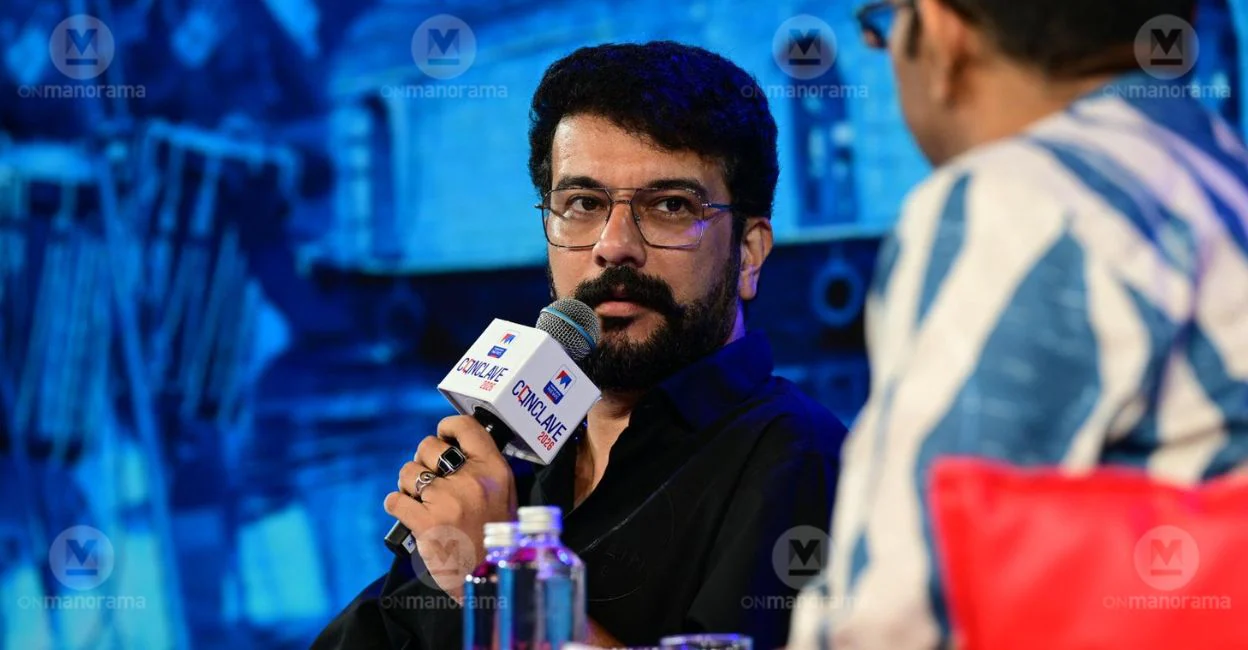
Politics hasn’t evolved much in Kerala, said actor and MLA Ramesh Pisharody. Talking at a session named ‘What happened to Keralam – How Kerala’s society, values and aspirations have changed’ at the Manorama News Conclave, he said that, of all the different aspects, politics has been the least evolved one.
“Politics largely remains where it was decades ago — in its structure, symbols and even the way it is presented. Since Independence, protests have often been seen as a measure of leadership, rather than the ability to solve issues without seeking public attention,” he said.
Pisharody said that while technology has evolved at a frantic pace, human thinking has remained the same. “If I got a postcard earlier asking me to send it to 10 persons or get cursed, the same message now pops up on my WhatsApp. The thought process remains the same, allowing outdated narratives to resurface through new-generation media. In that sense, we are moving backwards,” he said. He added that with the advent of AI, it is difficult to distinguish which is fake and which is true.
Kerala bureaucrat Adeela Abdulla expressed concern over the growing number of suicides among children. She is even more intrigued by the fact that society doesn’t know why children take their own lives.
“We don’t know why they die by suicide. Earlier we knew why, but now we are unable to understand them. We are not aware of what they are trying to communicate,” she said. Vinoy Thomas, a writer and teacher, said his way to connect with the younger generation is to identify himself among them. “If we have to learn from them, we have to mingle. I don’t go to school to teach, but to learn from my students,” he said.
Talking about how Kerala society has changed in 70 years, Adeela spoke of change in trust. “If the children feel that their questions are silly, they will also be aware of consequences — perhaps the embarrassment from having to ask such questions in front of everyone. Now they have the technology, where they have the comfort of privacy. The trust has shifted from humans to machines,” she said.
According to Adeela, not much has changed in the way women are perceived. She also said she is too appalled by the manner in which people feel free to click pictures of women, including that of a minister, from whatever angles they choose. “It is crude behaviour, which should be punished. There shall not be any compromise,” said Adeela.
Vinoy said the new generation of politicians are subverting the optics by experimenting with new styles of clothes and the way they interact with people or respond to allegations.